

Deck Replacement in Rochester Hills
Tear-out, legal disposal and a new structure on new footings, for the first-generation decks going soft on the 1980s and 1990s houses across Rochester Hills.
Six things that mean replacement, not repair
None of these is a board problem. Each one is telling you the structure underneath has reached the end of the cycle it was built for, and patching the surface will not move it.
Corner sitting low
The deck is out of level at one post. A pier that never reached 42 inches has been heaving and dropping every year since it went in.
Awl goes straight in
Probe a support post at grade, a joist end or a stair stringer. If the point sinks and the wood is spongy, that member is gone, not tired.
Staining below the ledger
Dark streaks or soft sheathing where the deck meets the house. The band joist behind an unflashed ledger rots quietly and takes the bolts' grip with it.
Rails that move
A guard that flexes under a lean cannot develop the horizontal load the code asks for, and on a walkout deck that is the one failure with real consequences.
Rusted hardware everywhere
Bleeding hangers and corroded screw heads mean the wrong metal went into treated lumber.
Nothing is square any more
Racking, gaps at the beam, a stair flight that no longer meets its landing cleanly.
What do you get that a patch cannot give you?
A frame dug to the current footing depth, connections the code now asks for, and a surface that is not carrying forty years of freeze and thaw.
New holes, current depth
Old piers get abandoned or removed. New ones go 42 inches to undisturbed soil with a proper pad, which is where most 1980s decks fell short.
The connections that were not required then
Lateral hold-downs, a flashed ledger or a freestanding beam line, and guard posts detailed to take the load rather than lagged on and hoped for.
Fastener metallurgy that matches
Modern copper-based preservative is roughly twice as hard on steel as the old chemistry. Everything goes in hot-dip galvanized or stainless, and never mixed.
A footprint you actually want
Replacement is the one moment the shape is free to change, inside the setbacks. Wider, deeper, split-level, or one landing instead of three steps.
Disposal handled as law, not preference
Treated lumber to a construction and demolition landfill. Never burned, never chipped.
One crew, start to final
Demolition, footings, framing and finish are one job here, not three handovers.
How a replacement runs on your lot
Demolition and rebuild are one job, and the permit covers both halves.
Probe and test
Awl through the suspect timber, and a test hole beside a pier to see what the original footing actually is.
Draw the new deck
New drawings, new setback check, and the chance to change the shape while everything is on paper.
Strip and haul
The old structure comes down and goes to a construction and demolition landfill, sorted, not burned.
Rebuild and inspect
New holes at 42 inches, open-hole inspection, concrete, frame, guards, stairs, final.

Why so many decks here are coming out at once
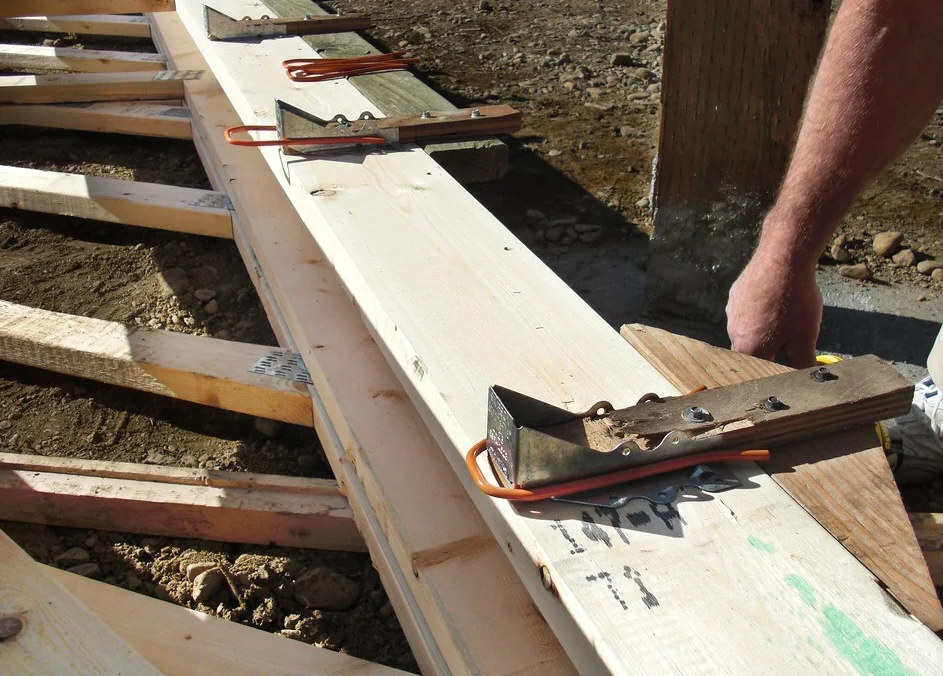
Rochester Hills incorporated in 1984 and the subdivisions went up around it. The median house in the city dates to 1985, which puts a very large number of original decks in the same 25 to 45 year window at the same time. They were built to a different rulebook: shallower piers, nailed or lagged ledgers, guard posts notched into a rim joist, and fasteners chosen before the preservative chemistry changed. Add a Michigan freeze-thaw cycle every single year to that, on ground the state code table classes as severe weathering, and the failures arrive together rather than one at a time. We tear those decks out, dispose of the lumber legally, and rebuild on new footings.
- ✓ Test holes before quoting
- ✓ Full tear-out and haul
- ✓ New footings at 42 inches
- ✓ Footprint redrawn if you want
- ✓ Permit and inspections handled
- ✓ Treated lumber landfilled
What actually leaves the site when an old deck comes out
Demolition is the half of a replacement people price wrong, because treated lumber is not ordinary construction waste in Michigan.
- What the wood isAnything built before roughly 2004 is likely CCA-treated. The three US manufacturers ended residential CCA production at the end of 2003 under an agreement with the EPA.
- Where it can goA landfill that accepts construction and demolition waste. That is the whole list.
- Where it cannot goNot a burn pile. Michigan does not permit open burning of construction and demolition debris, and a 2012 statute bars burning trash containing chemically treated wood. Not a chipper either, because the preservative would end up in the mulch.
- What that means for the quoteLoading, hauling and tipping are a real line, and they scale with height. A walkout deck with tall posts and a long stair flight is more material than the footprint suggests.
- What we do with the footingsOld piers are abandoned in place or dug out depending on where the new post line lands. Nothing new bears on an old pier we have not seen the bottom of.
What else do we handle in Rochester Hills?
Everything below runs through the same drawings, the same footing depth and the same three inspections.
Deck Building
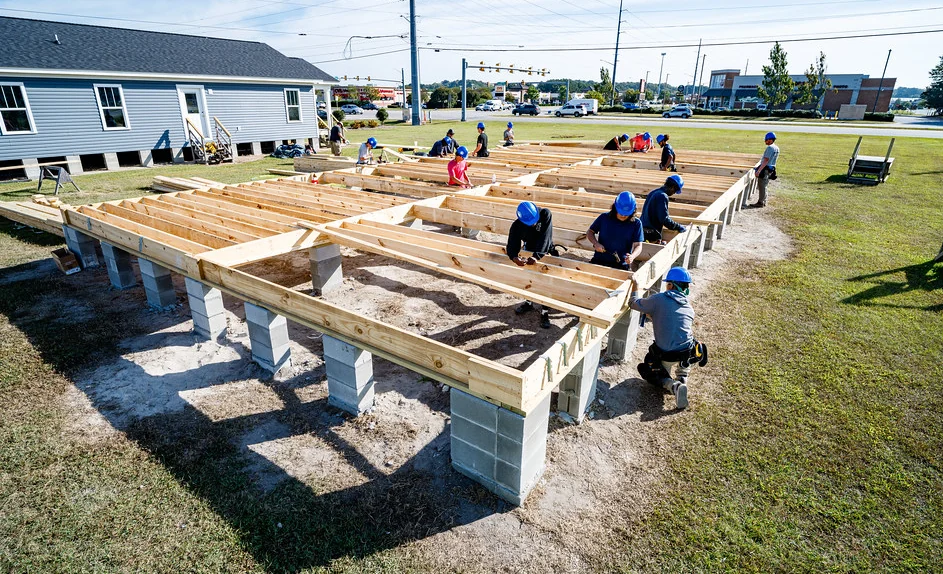
New decks drawn, permitted and framed to the city's adopted deck guide.
Learn more →
Deck Replacement
Tear-out, legal disposal and a new structure on new footings.
Learn more →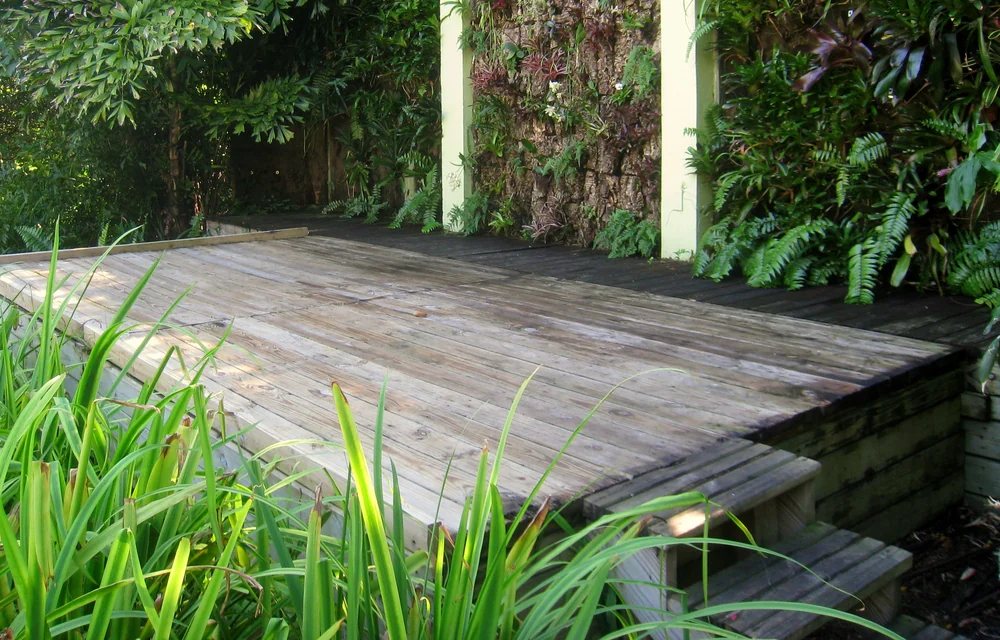
Composite Decking
Capped composite and PVC boards over a frame built to carry them.
Learn more →
Deck Repair
Ledgers, posts, joists, guards and stairs put back to code.
Learn more →
Deck Staining
Cleaning, brightening and finish, timed to the moisture, not the calendar.
Learn more →
Deck Railings
Wood, composite, aluminum and cable guards that hold the code load.
Learn more →Replacements across the older Rochester Hills plats
The oldest deck stock sits in the Avon-era subdivisions, Avon Heights, Avon Manor and Avoncrofts among them, and in the boom-years plats that followed. We work all of them, plus Rochester, Oakland Township, Auburn Hills, Lake Orion, Orion Township, Oxford, Addison Township and Washington Township. No travel surcharge inside that ring.
Replacement questions we get in Rochester Hills
Not sure if it is repair or replace?
We will come out, probe the posts and the ledger, dig a test hole at a pier, and tell you which one it is in writing. No pressure either way.